Inventory Optimization Engine
How we built a predictive demand-forecasting system that cut overstock by 70% and achieved a 99.2% fill rate across 40+ retail locations.
Retail & Supply Chain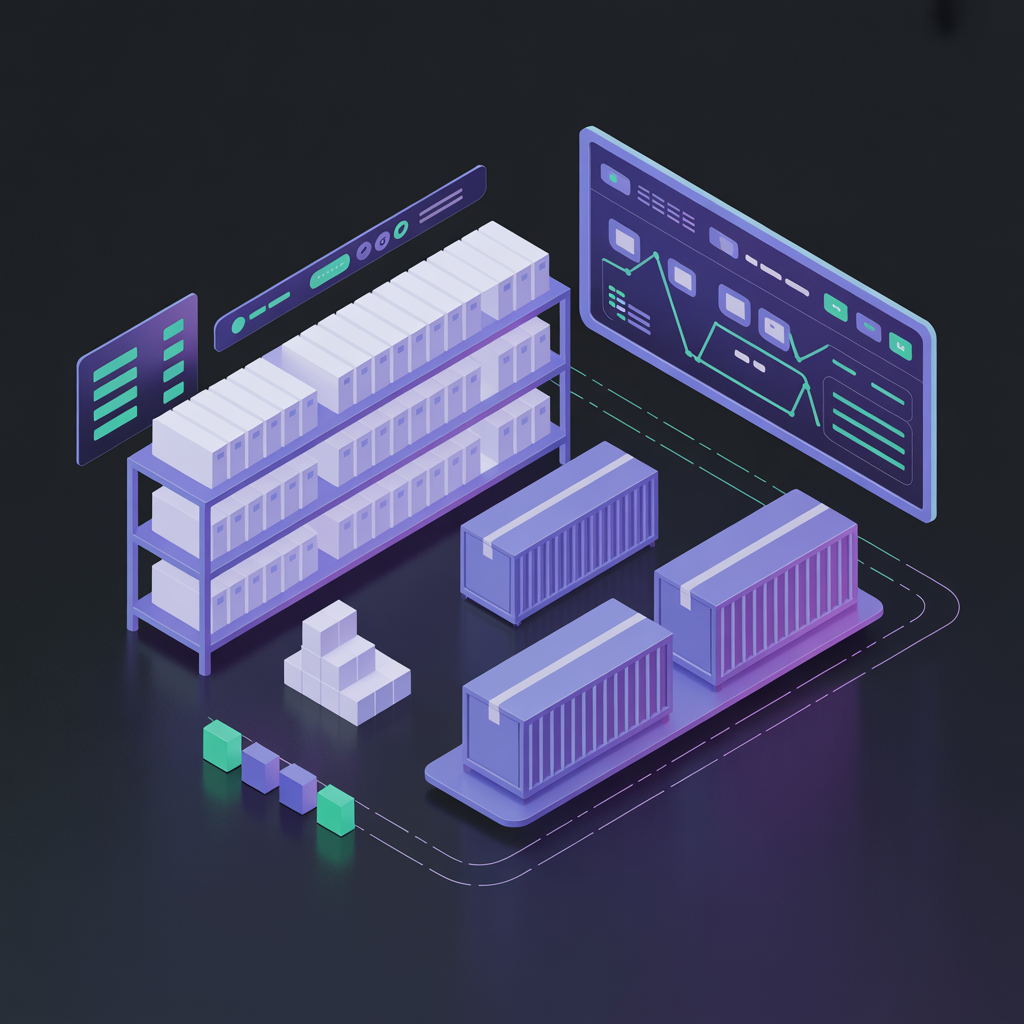
Stock imbalances were eroding margins across every location
Our client, a regional retail chain operating forty-three stores across the Southeast, was caught in a familiar trap: too much of the wrong inventory and not enough of the right. Their buying decisions were driven by a combination of spreadsheet-based historical analysis and gut instinct from regional managers, a process that generated persistent overstock in slow-moving categories while leaving high-demand items frequently out of stock.
The financial impact was significant. The chain was carrying an average of two point four million dollars in excess inventory at any given time, tying up working capital that could have been deployed elsewhere. Simultaneously, stockouts were costing an estimated eight hundred thousand dollars per quarter in lost sales and customer goodwill. Store managers spent roughly fifteen hours per week manually reviewing stock levels and placing ad-hoc reorders, time that could have been spent on customer experience and team leadership.
Previous attempts to address the problem with basic reorder-point formulas and min-max thresholds had failed to account for the complex demand patterns the chain experienced, including seasonal shifts, local event-driven spikes, and cannibalization effects between nearby stores. The leadership team needed a solution that could model these dynamics and automate replenishment decisions at scale.
Predictive intelligence embedded in their daily operations
Demand Forecasting Models
We built predictive demand models using two years of transaction data enriched with external signals including weather patterns, local events calendars, and competitor promotional schedules. The models forecast demand at the SKU-location level on a daily horizon, capturing seasonal trends, day-of-week patterns, and promotional lift effects that generic forecasting tools miss entirely.
- SKU-level daily forecasts across 43 locations
- External signal integration (weather, events, promotions)
- Automatic model retraining on weekly cycles
Automated Reorder System
The forecasting layer feeds into an automated reorder engine that generates purchase orders optimized for supplier lead times, volume discounts, and warehouse capacity constraints. The system integrates directly with the chain's ERP platform, so approved orders flow to suppliers without manual data entry.
Operations Dashboard
We delivered a no-code dashboard built on a platform their operations team can maintain independently. Store managers see real-time stock health indicators, upcoming reorder recommendations, and demand trend visualizations. Regional directors get aggregated views that highlight inter-store transfer opportunities and emerging category trends.
Dramatic improvement across every metric
Excess inventory dropped from $2.4M to under $720K, freeing over $1.6M in working capital for growth initiatives.
Near-perfect product availability across all locations, virtually eliminating stockouts in high-demand categories.
Automated replenishment eliminated manual stock review, giving store managers over two full days back for customer-facing activities.
Practical AI that works with existing infrastructure
A key design principle was seamless integration with the chain's existing ERP and point-of-sale systems. Rather than requiring a platform migration, we built data connectors that pull transaction data in real time from their existing infrastructure and push reorder decisions back through their established procurement workflows. This approach minimized disruption during rollout and meant store teams could continue using familiar tools.
The demand forecasting models use an ensemble approach combining gradient-boosted trees for capturing complex feature interactions with time-series decomposition methods for seasonal pattern detection. Each model is automatically retrained weekly on the latest transaction data, ensuring predictions remain accurate as consumer behavior evolves. Model performance is monitored through automated drift detection alerts that flag when forecast accuracy drops below acceptable thresholds.
The operations dashboard was built on a no-code platform specifically chosen so the chain's internal IT team can modify views, add new KPIs, and create custom reports without relying on STC for ongoing changes. We conducted a two-day training workshop with the operations team to ensure they were fully comfortable administering and extending the dashboard independently.
From reactive firefighting to proactive planning
The transformation extended well beyond inventory metrics. The freed-up working capital from reduced overstock funded the chain's expansion into three new markets in the year following deployment. Store managers, relieved of the burden of manual stock reviews, reported significantly higher job satisfaction and were able to dedicate more attention to team development and customer experience, both areas the chain's leadership had identified as strategic priorities.
The predictive capabilities also opened new strategic possibilities. Regional directors now use demand forecast data to plan promotional calendars months in advance, coordinate inter-store inventory transfers to balance supply more efficiently, and negotiate better terms with suppliers using data-backed volume commitments. The system has become a core part of how the chain makes operational decisions.
"Before this system, we were always a step behind. Now we know what is going to sell before the customer walks through the door. The impact on our margins has been remarkable, and our store managers have gone from inventory firefighters to customer experience leaders."
— VP of Operations, Retail Chain Client
Explore our App Development capabilities
This project was delivered through our App Development practice. We build production-ready applications and internal tools that integrate with your existing systems, delivered in rapid sprints on platforms your team can maintain independently.
← View all case studiesReady to optimize your supply chain?
Whether you run ten locations or ten thousand SKUs, we can help you build a smarter inventory system. Book a free strategy call to discuss your supply chain challenges.
Get Started